
If Semaglutide (Ozempic) introduced the general public to the power of metabolic peptides, and Tirzepatide (Mounjaro) proved that targeting dual receptors could rival bariatric surgery, Retatrutide (LY3437943) represents the absolute ceiling of third-generation pharmacological weight loss.
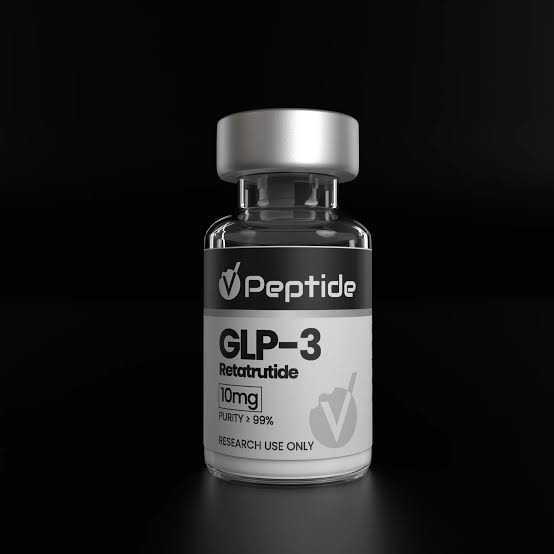
In the online biohacking communities, peptide forums, and gray-market research hubs, Retatrutide is currently the most coveted investigative molecule on earth. While Eli Lilly navigates the final regulatory hurdles ahead of an anticipated late-2026 or early-2027 Food and Drug Administration (FDA) New Drug Application submission, tens of thousands of consumers are already sourcing raw, unbranded vials of this "Triple-G" agonist.
To understand why this specific molecule has generated such intense fervor, we must examine the molecular architecture, dissect the newly released 2026 Phase 3 clinical trial readouts, and evaluate the physiological and commercial implications of unlocking a drug capable of greater than 30% total body weight reduction.
The Molecular Leap: Entering the "Triple-G" Era
For the past decade, obesity drug development has been defined by how many metabolic pathways a single molecule can simultaneously trigger.
First Generation (Mono-Agonists): Semaglutide targets strictly the GLP-1 (glucagon-like peptide-1) receptor. It works primarily by delaying gastric emptying and signaling satiety to the hypothalamus. The metabolic engine remains relatively unchanged, but calorie intake drops dramatically.
Second Generation (Dual Agonists): Tirzepatide added GIP (glucose-dependent insulinotropic polypeptide) agonism to the GLP-1 backbone. GIP improves nutrient buffering and adipose tissue lipid buffering, allowing the body to handle carbohydrates and store fats more efficiently while buffering the nausea often caused by pure GLP-1 stimulation.
Third Generation (Triple Agonists): Retatrutide combines GLP-1, GIP, and adds a critical third key: Glucagon receptor agonism.
Historically, pharmaceutical companies viewed glucagon as the enemy of weight loss because it stimulates the liver to release stored glucose into the bloodstream. However, Eli Lilly’s biochemists engineered Retatrutide to exploit glucagon's secondary, lesser-known superpower: increasing basal energy expenditure.
When you activate the glucagon receptor in liver and adipose tissue, you stimulate mitochondrial respiration and promote lipolysis (the direct breakdown of fat). By combining this with GLP-1 and GIP, Retatrutide creates a profound biological synergy. The GLP-1 and GIP components suppress your appetite so you consume significantly fewer calories, while the glucagon component forces your resting metabolic rate to accelerate. You eat less, and your body burns more calories simply existing.
The 2026 Clinical Reality: Dissecting the TRIUMPH Phase 3 Readouts
The speculative excitement surrounding Retatrutide transformed into undeniable hard data in May 2026, when Eli Lilly officially unveiled the topline results of the landmark TRIUMPH-1 Phase 3 trial involving 2,339 participants with severe obesity.
The data did not merely beat existing benchmarks; it fundamentally redefined what endocrinologists consider medically possible without invasive gastrointestinal surgery.
The 80-Week Primary Readout
Participants were initiated on a gentle 2 mg starting dose and titrated upward every four weeks to their designated maintenance tier (4 mg, 9 mg, or 12 mg). At week 80, the weight loss figures stood as follows:
Placebo Group: Averaged 3.9% weight loss.
4 mg Cohort: Averaged 19.0% weight loss (47.2 lbs lost). This single-step escalation dose alone matched the historical peak efficacy of branded Semaglutide.
9 mg Cohort: Averaged 25.9% weight loss (64.4 lbs lost).
12 mg Maximum Cohort: Achieved a staggering 28.3% average body weight reduction (70.3 lbs lost).
Digging deeper into the 12 mg cohort reveals even more striking distribution metrics. Over 45.3% of participants lost greater than 30% of their baseline body weight, and 65.3% of subjects reduced their body mass index (BMI) below 30 kg/m², effectively curing their clinical obesity diagnosis.
The 104-Week Blinded Extension
For a subset of 532 participants entering the trial with severe Class 2 or Class 3 obesity (BMI greater than or equal to 35), researchers escalated them to the maximum tolerated dose for an additional 24 weeks.
At the 104-week mark, this extended cohort achieved an average 30.3% total body weight reduction (85.0 lbs lost). This crosses the elusive psychological and medical threshold previously reserved exclusively for Roux-en-Y gastric bypass surgery, but achieved entirely via a once-weekly subcutaneous injection.
Before examining the systemic organ benefits beyond weight loss, explore this interactive chart to compare how Retatrutide's weight loss velocity outpaces previous compound generations over a 68-to-80 week timeline.
Beyond the Scale: Liver Fat, Osteoarthritis, and Cardiometabolic Repair
While mainstream media obsesses over the dramatic before-and-after photos, metabolic researchers are arguably more excited by Retatrutide’s secondary clinical endpoints. Because the glucagon receptor acts directly upon hepatic tissue, the drug exhibits unprecedented restorative effects on internal visceral organs.
1. Eradicating Fatty Liver Disease (MASLD)
Metabolic dysfunction-associated steatotic liver disease (MASLD, formerly NAFLD) affects nearly 70% of individuals with clinical obesity. In the Phase 2 sub-studies and ongoing Phase 3 trials, Retatrutide demonstrated an ability to rapidly clear intrahepatic lipid accumulation.
Patients on the 8 mg and 12 mg doses experienced an average 86% relative reduction in liver fat at 48 weeks. Even more remarkably, 93% of participants achieved completely normal liver fat clearance, effectively reversing chronic steatosis before it could progress to irreversible cirrhosis.
2. Structural Osteoarthritis Relief (TRIUMPH-4)
In December 2025, Lilly released data from the TRIUMPH-4 trial focusing specifically on obese patients suffering from moderate-to-severe knee osteoarthritis. Participants taking the 12 mg dose lost an average of 28.7% body weight at 68 weeks (averaging 71.2 lbs off their frame).
This massive reduction in mechanical loading, combined with the systemic lowering of high-sensitivity C-reactive protein (hs-CRP, a primary systemic inflammatory marker), resulted in dramatic, statistically significant improvements in Western Ontario and McMaster Universities Osteoarthritis Index (WOMAC) pain scores and physical mobility mobility metrics.
3. Comprehensive Lipid and Blood Pressure Reset
Across all TRIUMPH trials, subjects exhibited profound cardiovascular risk mitigation:
Waist Circumference: Dropped by an average of 24.1 cm (9.5 inches) in the 12 mg group.
Systolic Blood Pressure: Decreased by an average of 14.0 mmHg, allowing many subjects to discontinue baseline antihypertensive medications.
Triglycerides and Non-HDL Cholesterol: Showed sharp downward trajectories, significantly improving long-term atherogenic risk profiles.
The Gray Market Surge: Why Consumers Aren't Waiting for 2027
The stark reality of pharmaceutical timelines creates a massive vacuum of demand. Even with Phase 3 trials successfully concluding throughout 2026, Eli Lilly must compile massive regulatory dossiers, submit New Drug Applications across global jurisdictions (FDA in the US, EMA in Europe, MHRA in the UK), and undergo months of rigorous review. Commercial availability at retail pharmacies is unlikely before mid-to-late 2027 or early 2028.
For individuals suffering from severe metabolic morbidity—or aggressive biohackers optimizing body composition—a two-year waiting room is unacceptable. This friction has fueled the explosive growth of direct-to-consumer chemical synthesis vendors.
Sourcing raw Retatrutide peptides online bypasses all commercial barriers, but introduces significant biological gamble:
Vector | FDA-Approved Finished Drug | Unregulated Research Peptide |
Chemical Verification | Mandatory HPLC mass-spectrometry batch testing | Self-funded independent third-party lab verification |
Sterility Assurance | ISO-certified sterile cleanroom filling | DIY bacteriostatic water reconstitution |
Synthesis Purity | Strict removal of toxic Trifluoroacetic Acid (TFA) salts | High variance; potential residual manufacturing toxins |
Dosage Precision | Exact automated pen mechanics | Manual syringe draw math; risk of peptide degradation |
In these peptide communities, users actively share batch verification certificates and titration schedules. However, medical professionals routinely warn that injecting unverified third-generation multi-agonists carries severe risks of cardiac arrhythmias, severe gastrointestinal paralysis, or acute injection-site infections.
Side Effect Profile: Titration Discipline and Dysesthesia
A compound that accelerates cellular metabolism while shutting down digestion is not without physiological friction. In the TRIUMPH-1 trial, adverse event discontinuation rates scaled directly with dosage intensity: 4.1% in the 4 mg group, 6.9% in the 9 mg group, and 11.3% in the 12 mg maximum group (compared to 4.9% for placebo).
The primary side effects mirror the broader incretin family, but exhibit unique nuances:
Gastrointestinal Distress: Nausea (42.4%), diarrhea (32.0%), constipation (26.1%), and vomiting (25.3%) were prevalent during the rapid escalation phases. Researchers noted that strict adherence to the four-week step titration protocol (2 mg to 4 mg to 6 mg to 9 mg to 12 mg) is mandatory to prevent debilitating gastroparesis.
Cardiac Acceleration: Due to glucagon receptor activation on cardiac tissue, Retatrutide causes a transient increase in resting heart rate (typically 5 to 8 beats per minute higher during initial titration steps) before stabilizing as total body weight drops.
Skin Dysesthesia: Around 10% of patients on the highest doses reported mild-to-moderate dysesthesia—an unusual tactile sensation often described as skin hypersensitivity, tingling, or a feeling akin to a mild sunburn. While generally resolving spontaneously without drug discontinuation, this symptom is notably more common with Retatrutide than with mono-agonist GLP-1s.
Commercial Horizon: The Upcoming Sovereign Showdown
When Retatrutide finally hits commercial pharmacy shelves under its finalized trade name, it will trigger the largest market share battle in modern pharmaceutical history.
Novo Nordisk is currently scrambling to protect its first-mover advantage with investigational molecules like CagriSema (a dual combination of Semaglutide and an amylin analog) and next-generation oral amylin receptor agonists. Meanwhile, Pfizer, Roche, and AstraZeneca are aggressively acquiring clinical-stage peptide biotech startups to secure a foothold in a market projected to exceed $150 billion annually by 2030.
For patients, this competition signals the end of the "one-size-fits-all" obesity prescription. Within the next twenty-four months, metabolic medicine will transition into precision endocrinology: utilizing baseline GLP-1s for mild weight maintenance, dual GIP agonists for insulin-resistant metabolic syndrome, and unleashing the brute metabolic force of triple-agonist Retatrutide for severe, refractory obesity and visceral organ restoration.