
The landscape of performance enhancement and regenerative medicine has been increasingly dominated by "research peptides," with BPC-157 (Body Protection Compound-157) standing out as one of the most discussed—and controversial—compounds in online forums like Reddit. Often hailed as a "panacea" for musculoskeletal injuries, gut health, and systemic recovery, BPC-157 has cultivated a massive following. However, the chasm between anecdotal online reports and verified clinical science is vast.
This article examines the reality of BPC-157, clarifying the distinction between its potential biological mechanisms and the significant, often overlooked, safety risks associated with its use.
What is BPC-157?
BPC-157 is a 15-amino-acid synthetic peptide derived from a naturally occurring protein found in the human stomach. In preclinical studies, primarily conducted in animal models, it has demonstrated an ability to accelerate the healing of tendons, ligaments, bone, and gastrointestinal tissue. Researchers have hypothesized that it works by modulating nitric oxide pathways, boosting angiogenesis (the formation of new blood vessels), and stimulating collagen production.
While these results have fueled excitement, it is critical to recognize that BPC-157 is not FDA-approved for human use. It exists in a regulatory "gray market," meaning it cannot be legally prescribed or purchased for therapeutic use in the United States.
The Divergence: Anecdotal Reports vs. Clinical Evidence
Online forums are filled with testimonials of "miracle" recoveries, where users report rapid healing of chronic tendonitis, ligament tears, and joint pain. Conversely, many users also report unexpected side effects, ranging from severe inflammation to increased pain and mysterious fluid retention.
Why Anecdotes Can Be Misleading
Lack of Controls: Many users attribute their healing to BPC-157 without accounting for other variables, such as rest, physical therapy, or the natural progression of healing.
The Placebo Effect: The intense desire for recovery often colors the perceived success of an unregulated compound.
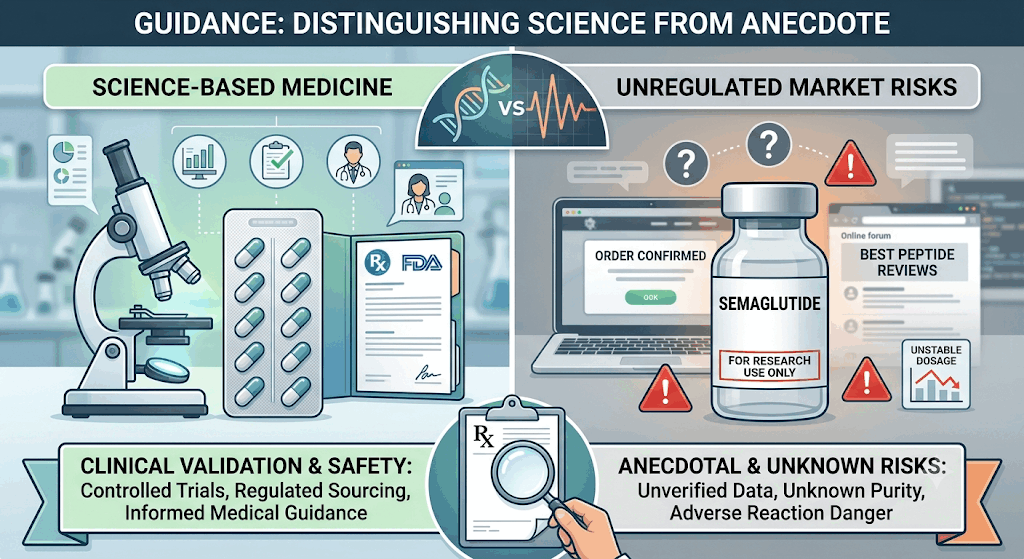
Batch Variability: Because BPC-157 is sold by unregulated compounding companies, there is no guarantee of product purity, concentration, or sterility. A user’s "side effect" might actually be an adverse reaction to a contaminant in a low-quality batch.
Known Risks and Potential Safety Concerns
Because high-quality, long-term human clinical trials are virtually non-existent, the long-term safety profile of BPC-157 remains unknown. Experts have raised several red flags that users should consider:
1. Unregulated Cell Proliferation (Cancer Risk)
BPC-157 is known to upregulate growth factor receptors and increase angiogenesis. While this is beneficial for healing an acute injury, the physiological implications of stimulating these pathways long-term in a human body are poorly understood. There is theoretical concern that such stimulation could exacerbate existing tumors or promote the growth of cancerous cells.
2. Contamination and Purity Issues
Since products are often sourced from the "gray market" or overseas laboratories, consumers are frequently at the mercy of manufacturers who do not adhere to Good Manufacturing Practice (GMP) standards. Reported concerns include:
Heavy metal or bacterial contamination.
Inaccurate dosing: Vials may contain significantly more or less of the peptide than labeled, leading to unpredictable physiological responses.
Sterility failures: Injectable peptides carry a risk of infection or abscess at the injection site if they are not perfectly sterile.
3. Unknown Drug Interactions
There is no reliable data regarding how BPC-157 interacts with common medications, such as blood thinners, immunosuppressants, or existing cancer therapies. For individuals on complex medical regimens, introducing an unstudied compound can have dangerous, unforeseen consequences.
Analyzing Common Anecdotal Side Effects
Reports on forums occasionally detail side effects that clinical research has yet to categorize. These include:
Fluid Retention and Swelling: Some users report significant swelling and fluid retention in extremities, particularly when injecting locally near an injury.
Increased Pain or Stiffness: Paradoxically, some users experience a decrease in range of motion (ROM) and increased pain after starting the peptide, which some speculate may be due to improper site injection or systemic inflammation.
Injection Site Reactions: Redness, heat, and pain at the injection site are frequently reported, which are common risks associated with subcutaneous injections performed without professional guidance.
Recommendations for Informed Decision-Making
If you are dealing with chronic pain or injury, the most important step is to prioritize evidence-based medicine.
Consult a Physician: Before experimenting with any peptide, discuss your symptoms with a licensed healthcare provider. Proven treatments for musculoskeletal and gut health already exist and are backed by rigorous clinical data.
Recognize the "Research" Label: If a product is sold as "for research purposes only," it is not intended for human consumption. Using it as a therapeutic aid is a violation of its intended purpose and exposes you to significant legal and health risks.
Monitor for Red Flags: If you are determined to seek alternative therapies, be wary of websites making excessive claims, offering "too-good-to-be-true" pricing, or bypassing medical consultations.
Know When to Seek Emergency Care: Regardless of the substances you may have ingested or injected, seek immediate medical attention if you experience severe swelling, high fever, chest pain, or shortness of breath.
Conclusion
BPC-157 represents a fascinating area of regenerative research, but it is currently a "rogue" compound in the human health space. The current body of evidence is overwhelmingly animal-based, and the regulatory environment is designed to protect consumers from the risks inherent in untested substances. Until large-scale, controlled human trials can establish a safety and efficacy profile, the use of BPC-157 remains a gamble with your long-term health.