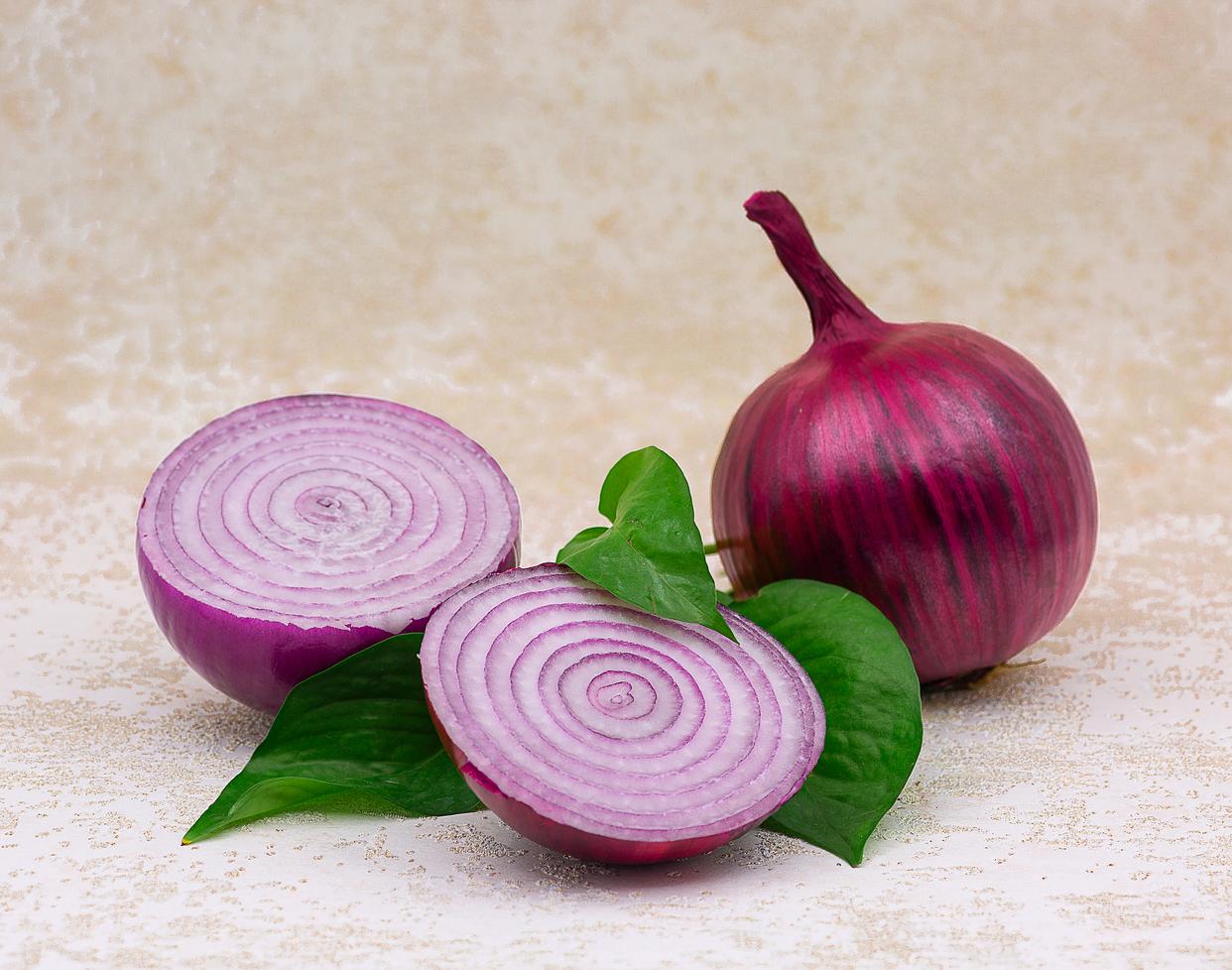

As someone who spends a lot of time in the kitchen analyzing ingredients, I’ve come to realize that the most common foods are often the most misunderstood. Take the onion. It’s the humble foundation of countless recipes, a staple in every pantry. But when you’re tracking your macros or following a specific diet, you have to ask the tough questions, starting with: how many carbs are in an onion, really?
I decided to dig into the data, moving beyond simple nutrition facts to understand what an onion really brings to the table. We all know the main players in the produce aisle—the workhorse yellow onion, the vibrant red, the milder white, and the distinctly sweet varieties like Vidalia. We even have their lankier cousins, the scallions (or green onions). But how do they stack up nutritionally? Let’s break it down.
A Deep Nutritional Analysis
To get a clear picture, I focused on the numbers for a standard 100-gram serving of raw onion, which is roughly the size of one medium onion. The first thing to note is that they are incredibly low in calories, clocking in at only about 40 kcal, mostly because they are composed of 87-90% water.
But we’re here for the carbs. In that 100g serving, I found about 9.3 grams of total carbohydrates. This is where it gets interesting, especially for anyone on a low-carb diet. Not all carbs are created equal.
- Net Carbs vs. Fiber: Of those 9.3 grams, about 1.7 to 1.9 grams are dietary fiber. Since fiber isn’t digested and absorbed in the same way, we can subtract it from the total. This leaves us with a net carb count of approximately 7.6 grams. These net carbs are primarily simple sugars like glucose, fructose, and sucrose, which give onions their subtle sweetness.
- Protein and Fat: As you might expect, the protein and fat content is almost negligible. It’s clear that an onion’s nutritional story is all about its carbohydrates and the powerful micronutrients packed inside.
Beyond the macros, I was impressed by the micronutrient profile. Onions provide a solid dose of Vitamin C (about 8% of your Daily Value), Vitamin B6, and Folate (B9). They also contain essential minerals like potassium and manganese. But the real magic lies in their unique bioactive compounds. We’re talking about flavonoids like quercetin, sulfur compounds that give onions their signature pungent kick and medicinal properties, and anthocyanins, which are exclusive to red and purple onions and give them their beautiful color.
Health Benefits That Go Beyond the Basics
As I looked into the research, it became clear that these compounds do more than just taste and look good. The health benefits associated with regular onion consumption are pretty remarkable.
- Blood Sugar Control: Studies I reviewed have shown that onions can be a powerful ally in managing type 2 diabetes by helping to lower fasting blood sugar levels.
- Bone Density: I found fascinating research indicating a positive link between onion intake and improved bone density, particularly in postmenopausal women.
- Cancer Prevention: While no food is a magic bullet, observational studies have repeatedly connected a diet rich in onions with a reduced risk of certain cancers, including stomach and colorectal cancer.
- Heart Health: That powerhouse compound, quercetin, has been studied for its potential to lower blood pressure and reduce inflammation, both of which are critical factors for maintaining a healthy heart.
A Guide for Special Dietary Needs
This is where the rubber meets the road. Can you eat onions on your diet? It depends.
For my friends on the Keto diet, the key is that net carb count. At around 7.6g net carbs per medium onion, you can absolutely fit it into your daily allowance, but you have to be mindful. A few slices on a burger are fine; a whole caramelized onion is not. For the lowest carb options, I’d recommend sticking with red onions or scallions, which are slightly lower in net carbs. But here’s a critical warning: beware of onion powder. It’s incredibly concentrated. Just one teaspoon can pack 2 grams of carbs, making it a sneaky trap that can easily push you over your limit.
For those on a low-FODMAP diet to manage IBS, onions are unfortunately a major trigger food. The culprit is a type of carbohydrate called a fructan. For these individuals, I always recommend a simple yet brilliant solution: use onion-infused oil. You can gently heat sliced onions in oil to extract all of that wonderful flavor and then discard the solids. The flavor molecules transfer to the oil, but the problematic fructans do not, as they aren’t oil-soluble.
The Chemistry of Cooking Onions
How you prepare an onion changes its nutritional profile dramatically. The most significant change I observed happens during cooking. When you slow-cook onions to achieve that deep, sweet caramelization, you’re causing the complex carbs to break down and the water to evaporate. This process concentrates the sugars, effectively doubling the carbohydrate density.
Conversely, cooking can also be beneficial. Research shows that baking or grilling onions can increase the bioavailability of their healthy polyphenols. And what about that tear-jerking effect? That’s a chemical reaction that produces a sulfur compound called the lachrymatory factor (LF). As soon as you cut an onion, you trigger this defense mechanism.
Untapped Potential and Important Risks
In my research, I stumbled upon some missed opportunities and crucial warnings everyone should know.
- Hidden Nutrition in the Skin: I learned that the papery outer skin of an onion, which we all throw away, contains the highest concentration of quercetin. Here’s my pro tip: don’t discard it. Add the clean, dry skins to your broths, soups, or stocks. Let them simmer to release their water-soluble antioxidants, and then simply strain them out before serving.
- Drug Interaction Warning: The anti-platelet effect of compounds in onions can potentially interfere with anticoagulant drugs (blood thinners). Furthermore, if you are on medication to lower blood sugar, consuming very large quantities of onion could have an additive effect. It’s always best to consult your doctor.
- The Power of Fermentation: There’s emerging potential in fermented onions. The process of lactic acid fermentation could potentially alter the FODMAP structure, making them more digestible, while also adding a probiotic boost.
- Common Risks: Lastly, a vital reminder that onions are highly toxic to pets like dogs and cats, causing a serious condition called Heinz body anemia. And of course, some people do have legitimate allergies or intolerances to onions.
Final Thoughts and Practical Advice
So, how many carbs are in an onion? A medium one has about 9 grams total and 7.6 grams net. But as I’ve shown, that’s just the beginning of the story.
My advice is to choose your onion based on your health goals. If you’re on keto, use them sparingly and favor red onions or scallions. If you have IBS, use onion-infused oil to get the flavor without the pain. For general health, eat a variety of onions and try cooking them in different ways to maximize their benefits. And whatever you do, save those skins for your next batch of stock. The humble onion is a true superfood, and now you know how to make it work for you.