
Dirty Keto challenges the traditional emphasis on whole, nutrient-dense foods by focusing solely on meeting strict macronutrient ratios, regardless of food quality. In other words, you can consume processed foods, including artificial sweeteners and vegetable oils, as long as they are low in carbohydrates, moderate in protein, and high in fat.
This article aims to explore the concept of Dirty Keto, examining its principles, potential benefits, and concerns surrounding its long-term health impacts.

What Is Dirty Keto?
Dirty Keto is a variant of the ketogenic diet where the focus is less on whole, nutrient-dense foods and more on achieving the required macronutrient ratios through lower-quality options. Whether you’re following Dirty Keto or Clean Keto, the same macronutrient ratios apply:
– 5-10% of calories from carbohydrates (or fewer than 50 grams per day)
– 30-35% or 15-20% of calories from protein
– 55-60% or 75-80% of calories from fat
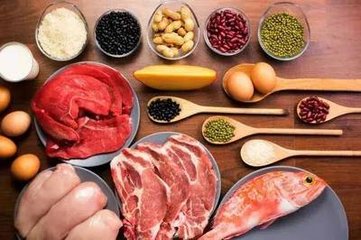
People on Dirty Keto often consume fast food, pre-packaged meats, fries, and diet sodas. However, it doesn’t exclude foods typically found in a Clean Keto diet, such as eggs, beef, chicken, pork, fruits, nuts, and vegetables.
The core principle behind Dirty Keto is similar to that of the standard Clean Keto diet: achieving a state of ketosis. During ketosis, your body burns fat instead of carbohydrates for fuel, leading to weight loss. Increased ketone levels, despite low glucose availability, can also lead to improved energy and cognitive function.
Some Dirty Keto followers argue that as long as they maintain the right macronutrient balance, they can still benefit from ketosis without strictly adhering to a whole-foods-based approach. While this might seem convenient, healthcare professionals and nutrition experts warn that prioritizing macronutrients over food quality can have consequences. One major concern is the potential for micronutrient deficiencies, as studies show that avoiding ultra-processed foods increases dietary diversity and micronutrient intake.
Other potential issues from relying on processed and low-quality foods include increased inflammation, poor cardiovascular health, and other negative long-term impacts. It’s important to carefully consider these drawbacks and consult a healthcare professional before adopting a Dirty Keto approach.
Can You Lose Weight on Dirty Keto?
Since Dirty Keto emphasizes achieving and maintaining a state of ketosis, weight loss is possible. By following the prescribed macronutrient ratios, Dirty Keto can still induce the metabolic state of ketosis and deliver its associated benefits.
The increased flexibility of Dirty Keto makes it easier to stick to for busy individuals with limited food choices. This flexibility can make long-term adherence more feasible, which is crucial for achieving and maintaining weight loss.
Dirty Keto vs. Clean Keto
Dirty Keto and Clean Keto represent two different approaches within the ketogenic diet framework. While both aim to achieve ketosis through a high-fat, low-carb diet, they differ in food quality, nutritional composition, and overall approach.
Pros and Cons of Dirty Keto
Dirty Keto offers greater flexibility in food choices, making ketosis more accessible. However, relying on processed foods to meet your macronutrients can increase the risk of nutritional deficiencies and consuming unhealthy fats, artificial additives, and other low-quality ingredients that may have long-term negative impacts on your health.
Pros:
– Flexibility in Food Choices: Easier to follow for busy individuals or those with limited food options.
– Weight Loss Potential: Achieving and maintaining ketosis can lead to weight loss.
– Less Restrictive: A more relaxed approach compared to Clean Keto.
– Convenience: Allows indulgence in processed foods and convenience snacks.
– Short-Term Results: May provide initial weight loss and be more sustainable in the long run for some people.
Cons:
– Nutritional Deficiencies: Risk of missing out on essential micronutrients from whole foods.
– Long-Term Health Risks: Potential for increased inflammation and poor cardiovascular health.
– Missed Benefits of Whole Foods: Lack of focus on food quality and nutrient density.
– Challenges in Achieving Long-Term Health Goals: May not support overall health as effectively as a whole-foods-based approach.

Dirty Keto Food List
Dirty Keto allows for more processed and low-quality food options as long as they meet macronutrient requirements. Here’s a list of foods you can eat on a Dirty Keto diet:
– Fast Food: Burgers (without buns), cheeseburgers, bacon cheeseburgers, boneless wings (without breading), hot dogs, and breakfast sandwiches (without bread).
– Processed Meats: Deli meats (turkey, ham, roast beef, salami), sausages, pepperoni, and bacon.
– Low-Quality Cheese: Processed cheese slices, cheese dips, cheese sauces, and cheese snacks.
– Low-Carb Snacks: Pork rinds, beef jerky (check for added sugars), low-carb protein bars, and protein crisps.
– Sugar-Free Condiments: Sugar-free ketchup, barbecue sauce, mayonnaise, and salad dressings.
– Diet Drinks and Artificial Sweeteners: Diet sodas, sugar-free energy drinks, and artificial sweeteners like sucralose.
– Low-Carb Alcoholic Beverages: Spirits like vodka, rum, gin, and tequila (in moderation) mixed with sugar-free mixers or soda water.
– Sugar-Free Desserts: Sugar-free gelatin, pudding, and low-carb ice cream (check for added sugars).
While Dirty Keto may seem more relaxed, it’s important to remember that it doesn’t offer the same health benefits as a comprehensive, nutrient-dense ketogenic diet. Whole, unprocessed foods are generally recommended for long-term health.
Tips for Following Dirty Keto
When following Dirty Keto, it’s important to keep these tips in mind to make the most of your diet plan:
1. Track Your Macros: Even if your keto diet is “dirty,” ensure you monitor your macronutrient intake. Aim for high fat, moderate protein, and low carbs to maintain ketosis. Remember the standard recommendations: 5-10% carbs, 30-35% or 15-20% protein, and 55-60% or 75-80% fat. Use a free keto calculator to determine how many grams of each macro you need.
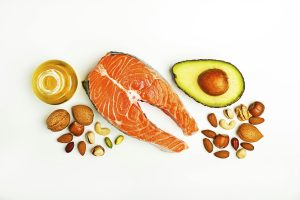
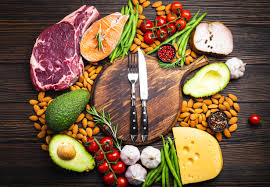
2. Prioritize Whole Foods When Possible: Although Dirty Keto allows for more processed options, incorporating whole foods is still beneficial. Whenever possible, include sources of healthy fats like avocados, nuts, and seeds, and get your protein from eggs, beef, pork, poultry, and fish.
3. Watch Out for Hidden Carbs and Sugars: Processed foods often contain hidden carbs and sugars, so read labels carefully. Be mindful of added sugars and high-carb ingredients that could sabotage your progress. Note that added sugars go by many names, such as brown sugar, glucose, fructose, high-fructose corn syrup, honey, and molasses.
4. Supplement Wisely: Some people may benefit from vitamin and mineral supplements, as processed foods can affect your micronutrient intake. Consider supplements containing B-complex vitamins, vitamin D, calcium, potassium, iron, and magnesium. Consult a healthcare professional to determine if any supplements are needed based on your specific needs.
5. Include Fiber-Rich Foods: Even though Dirty Keto is low in carbs, incorporating fiber-rich foods like leafy greens, low-carb vegetables, and berries is important for gut health and regular digestion.
6. Mind Your Portions: In addition to meeting your macronutrients, practice portion control. Pay attention to portion sizes and total calorie intake to avoid overeating.
7. Focus on Long-Term Health: Remember that Dirty Keto is a variant of the ketogenic diet that prioritizes macronutrients over food quality. While it offers flexibility, it’s important to consider the long-term impact on overall health. Balance your diet with nutrient-dense foods.
Additionally, combine other health-promoting strategies such as intermittent fasting, exercise, and getting quality sleep at night.
8. Listen to Your Body: Pay attention to how your body responds to Dirty Keto. Everyone’s nutritional needs and tolerances are different, so adjust your diet based on your results. You may need to monitor the following:
– Body Fat Percentage: This gives a more accurate picture of fat loss.
– How You Feel Physically and Mentally
– Ketone Levels: Use a ketone meter to track your progress.
9. Consult a Healthcare Professional: If you have any underlying health conditions or concerns, it’s best to consult a healthcare professional or registered dietitian before making significant dietary changes, especially if you’re on any medications.

While Dirty Keto may offer a convenient way to achieve ketosis, it’s important to recognize that prioritizing macronutrients over food quality can have potential drawbacks. The lack of whole foods can negatively impact your ability to meet micronutrient needs.
Additionally, when following a Dirty Keto approach, be mindful of hidden carbs, sugars, and artificial ingredients. Ultimately, the decision to follow Dirty Keto or any other diet should be based on your personal goals and health considerations. Consulting a healthcare