When I first went keto, “milk” was the sneakiest problem in my fridge. I assumed a splash here and there couldn’t matter—until I started reading labels like my results depended on it (because they did). After comparing macros across dairy and dairy-free options, one thing became obvious: on keto, the type of “milk” you choose can make or break your daily carb budget.
Below is the way I personally think about keto-friendly “milk” products—based on the numbers I see on labels, how they behave in coffee and cooking, and which ingredients consistently cause issues.
Part 1: Why Some “Milk” Is Basically a Carb Drink
Why regular milk is a keto no-go
1) Lactose is essentially “liquid sugar.”
Lactose is milk sugar, and it adds up fast. When I look at typical nutrition labels for regular cow’s milk, a single cup often lands around 12–13g net carbs. On keto, that’s not a “small” amount—it’s a huge chunk of the day.
2) The insulin response can be stronger than people expect.
Even if you’re not tracking insulin directly, it helps to understand the pattern: compared with fat, lactose (carb) and whey protein tend to push insulin higher. That’s one reason milk can feel “keto-ish” (it’s natural! it has fat!) but still derail ketosis or stall progress for some people.
My “keto milk” standard (what I actually look for)
I stick to a simple rule that keeps me out of trouble:
The Gold Rule:
- Very low carbs (ideally < 1g net carbs per serving)
- Higher fat (for satiety and keto macros)
- No added sugar (and no sneaky starches)
How I calculate net carbs:
On U.S. labels I do:
Net Carbs = Total Carbs − Dietary Fiber
(And I still check ingredients, because “net” can hide a lot of nonsense.)
Part 2: The Gold Standard Keto Dairy Options
These are the options I rely on when I want the easiest “yes” answer.
My top picks
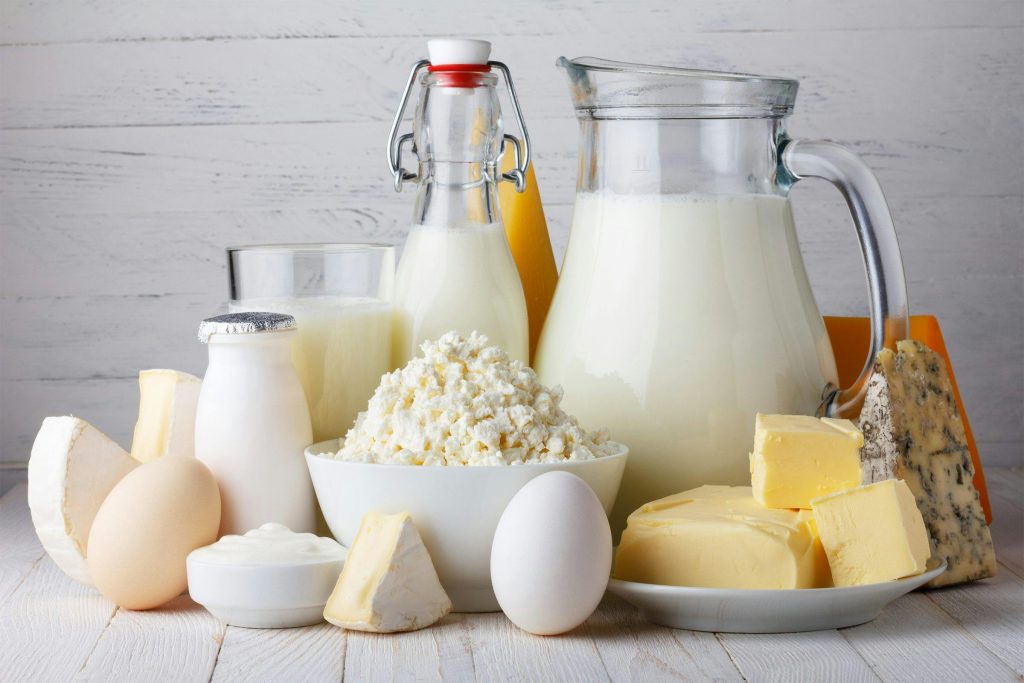
Heavy cream (heavy whipping cream)
This is the closest thing to a keto cheat code for coffee and cooking. It’s high fat and typically very low carb in realistic serving sizes. When I want creamy texture without paying a carb penalty, heavy cream is my default.
Ghee and butter
From a carb perspective, these are basically zero-carb options. I use them for “bulletproof-style” coffee, sautéing, finishing sauces, and adding richness without adding lactose.
“Enjoy in moderation” dairy
Full-fat Greek yogurt
Fermentation reduces a lot of the lactose. I’ve found that plain, unsweetened full-fat Greek yogurt can fit keto if I portion it intentionally and don’t treat it like a giant bowl of cereal. It’s also high in protein, which can be helpful depending on your targets.
Hard, aged cheeses
The longer a cheese is aged, the less lactose it usually has. In practice, I find aged cheeses are easier to fit than fresh, softer cheeses. I still read labels, but aged cheeses are often my “safe” pick for flavor and fat.
Why dairy can beat plant milks nutritionally
I’m not anti–plant milk at all (I use them often), but nutritionally, dairy has some built-in advantages I don’t ignore:
- Vitamin K2 (especially in certain dairy foods)
- Vitamin A
- Highly bioavailable calcium
Plant milks can be great, but a lot of their nutrition is fortified—and their ingredient lists can get messy.
Part 3: The Best Dairy-Free Keto Options
Nut & seed milks (my go-to category)
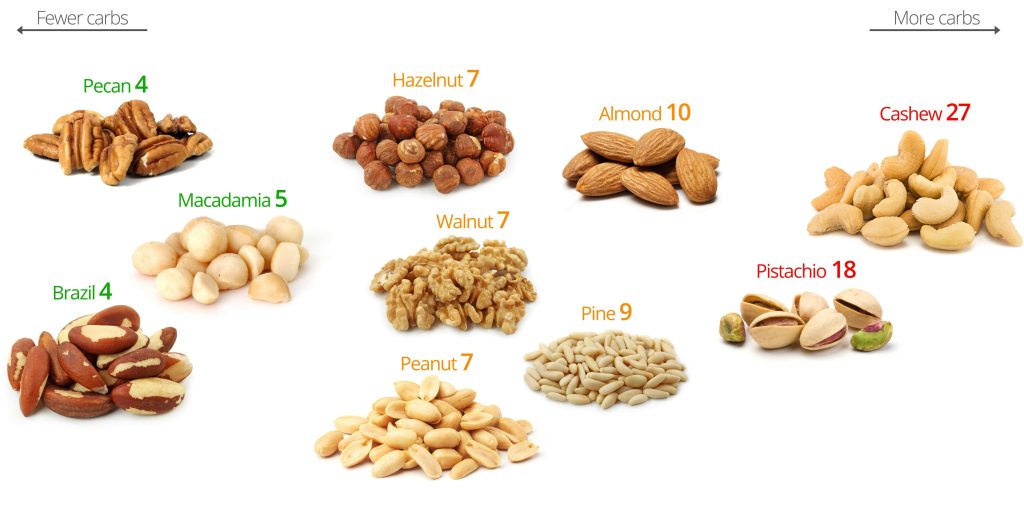
Unsweetened almond milk
This is the most widely available option, and the labels I choose usually come in around ~1g net carb per cup. For smoothies, chia pudding, and “everyday drinking,” it’s the easiest win—as long as it’s unsweetened.
Macadamia milk
If I want something closer to heavy cream in vibe—richer mouthfeel, better fat profile—macadamia milk is my favorite. It’s not always cheap, but it’s one of the few plant milks that doesn’t feel like flavored water.
Flax milk / hemp milk
When I’m thinking inflammation and fatty acid profile, I like seed-based milks. Flax and hemp options are often lower carb and can bring omega-3s into the mix. I still avoid versions with added sugar or thickener overload.
Other options that can work (with caveats)
Coconut milk: canned vs. carton
These are totally different products in my kitchen:
- Canned full-fat coconut milk: my choice for cooking—curries, sauces, keto desserts—because it’s rich and high fat.
- Carton coconut milk: better for drinking, but it’s usually thinner and more processed. I check carbs carefully because brands vary.
Pea milk
Protein-wise, pea milk can look impressive. But keto-wise, it’s a “read the label every time” situation because carbs can creep up depending on how it’s formulated.
Part 4: What I Avoid (The Keto Milk “Landmines”)
High-carb traps
These are almost always not worth it on keto:
- Cow’s milk
- Goat milk
- Condensed milk (basically sugar syrup in dairy form)
Grain milks (especially oat milk and rice milk)
Oat milk is the #1 “healthy-sounding” keto trap I see people fall into. It’s typically high carb, and it can cause bigger blood sugar swings than people expect. Rice milk is the same story—usually worse.
The hidden killers (ingredient list red flags)
If I’m standing in the aisle, these are ingredients that make me put the carton back:
- Carrageenan (I see it frequently in creamers and some plant milks; some people tolerate it, but I don’t love the gut-drama potential)
- Maltodextrin (this is a big one—can spike blood sugar despite “sugar-free” marketing)
- Added industrial seed/vegetable oils (not a carb issue, but I try not to make them a daily staple in something I drink constantly)
Label trap: “low-fat” versions
Whenever something is low-fat but still meant to taste creamy, manufacturers often compensate with sugar, starches, gums, or fillers. On keto, “low-fat milk-like product” is a category I approach with suspicion.
Part 5: Real-World Cooking & Coffee (What Actually Happens in Your Mug)
Why plant milks sometimes curdle in hot coffee
I learned this the annoying way: plant milks can separate or clump in hot coffee because of:
- Acidity (coffee is acidic)
- Heat shock (cold milk hitting hot liquid)
- Lower fat / different proteins compared to dairy
What I do instead:
- Use higher-fat coconut milk for better stability in heat
- Choose “barista” versions only if the carbs are still low (some barista blends add sugars or starches for foam)
- Warm the milk first, then add to coffee (this reduces temperature shock)
Swap ratios (so recipes don’t fall apart)
Baking:
I generally start with a 1:1 substitution by volume, but I keep one thing in mind: lower-fat plant milks can make baked goods drier. If the batter looks thin or the result bakes up dry, I add fat back (butter, coconut oil, or a bit more heavy cream).
DIY keto “condensed milk” (my workaround):
When a recipe calls for sweetened condensed milk, I don’t try to force regular condensed milk into keto. I make a simple version by simmering heavy cream with a keto-friendly sweetener until it thickens. It’s not identical, but it gets the job done for sauces and desserts without blowing up carbs.
Part 6: How I Personalize My Choice (Because Not Everyone Reacts the Same)
If I’m in a weight-loss stall
I temporarily limit dairy, even the keto-friendly kinds. Not because it’s “bad,” but because it’s:
- calorie-dense
- easy to overconsume
- hyper-palatable (cheese and cream can quietly become a hobby)
If I’m dealing with acne or skin flares
I go fully dairy-free for a while and simplify:
- additive-free coconut milk
- macadamia milk
I’m strict about ingredient lists here, because gums and additives can muddy the picture.
If I’m prone to kidney stones (especially oxalate-related)
I’m careful with heavy almond milk intake, because almonds can be high in oxalates. If this is a concern, I’d rather lean on:
- coconut milk
- flax milk
(Still label-checking, always.)
The “Carb Budget” Analogy I Use to Stay Consistent
I treat keto carbs like a daily budget of $20.
A cup of regular milk costs $12–$13—more than half my budget for something that doesn’t even keep me full for long.
But a cup of unsweetened almond milk or a tablespoon of heavy cream might cost around $1 in carbs. That leaves me room to “spend” my carbs on foods that actually deliver: leafy greens, cruciferous vegetables, and nutrient-dense proteins.
For me, choosing the right “milk” is basically smart carb budget management—and it’s one of the easiest keto upgrades you can make.