
The taboo of the ketogenic diet? These three types of people should pay special attention!
① Physical condition is not suitable: Not everyone is suitable for a ketogenic diet, especially if you have poor liver or kidney function, diabetes or gout, or are pregnant, you should never try a ketogenic diet on your own!
② Be too hasty: Even if you have assessed what your body can handle, you should control the rhythm and let your body get used to the changes in your diet so that it will not cause too much burden on your body. This is the case at the beginning, and the same is true at the end!
③ Ignore hydration: During the ketogenic diet, the body will drain a lot of water, so remember to consume enough water to avoid dehydration.

What are the side effects of the ketogenic diet?
Of course, every weight loss method has its pros and cons, and the same is true of the “ketogenic diet”. When you first start a ketogenic diet, many people may experience symptoms such as fatigue, drowsiness, headaches, nausea, and constipation because their bodies cannot adapt. Minor symptoms may disappear after getting used to it, but some people will develop ketorash and even progress to nutritional disorders, osteoporosis, kidney stones, and high cholesterol. So once again, I call on friends who want to challenge to do what they can. If you feel your body is overwhelmed, you should stop the ketogenic diet and seek help from a doctor or nutritionist.
And when returning to a normal diet, you should also pay attention to step by step, otherwise your body will not be able to adapt, which will also cause adverse reactions!
What is a ketogenic diet? Remember the important point of “less fat”!
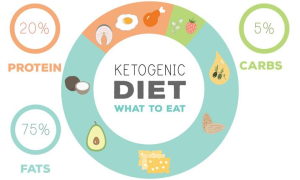
The practice of “ketogenic diet therapy” is to eat more meat and vegetables on a daily basis, while reducing the intake of carbohydrates and sugar. In principle, when the body lacks carbohydrates, the liver will convert the fat absorbed during the day into “ketone bodies” that can be used by the brain to replace glucose as an energy source for the brain. When ketone bodies increase, it can effectively reduce seizures, so ketogenic diet therapy is actually used to treat diseases, and is used in medicine to treat epilepsy in children.
What can be eaten on a ketogenic diet?
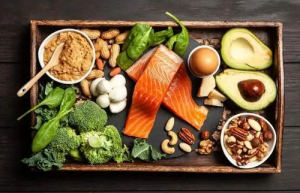
The ketogenic diet pursues “high fat”. When ingesting fat, you should try to choose natural and healthier oils, such as olive oil, coconut oil, butter or nut oils, etc., to minimize the chance of absorbing bad cholesterol. In terms of “low fat”, in addition to rice, noodles, and noodles that are generally high in carbohydrates, you should also be careful that some root vegetables and fruits contain starch, which will also be converted into carbohydrates. It is better to eat less!
Fruits
Edible: Avocado (pineapple), lemon, coconut meat
? Edible but pay attention to the portion size: kumquat, grapefruit, guava (guava), blueberries, strawberries
Do not eat: bananas, cantaloupe, grapes, pears, kiwis, apples, peaches
The above edible fruits contain less than 1 gram per 100 grams, such as avocados, which are rich in unsaturated fatty acids, which are very beneficial to the human body. In addition, the content of lemons per 100 grams is also very low. When drinking boiled water feels bland and tasteless, you can add an appropriate amount of lemons to increase appetite and reduce the greasy feeling when ingesting fat. On the contrary, other fruits such as bananas, etc., which are high in carbohydrates and sugar, should not be eaten more. Because just eating a small serving, the intake of lemons has reached the standard!