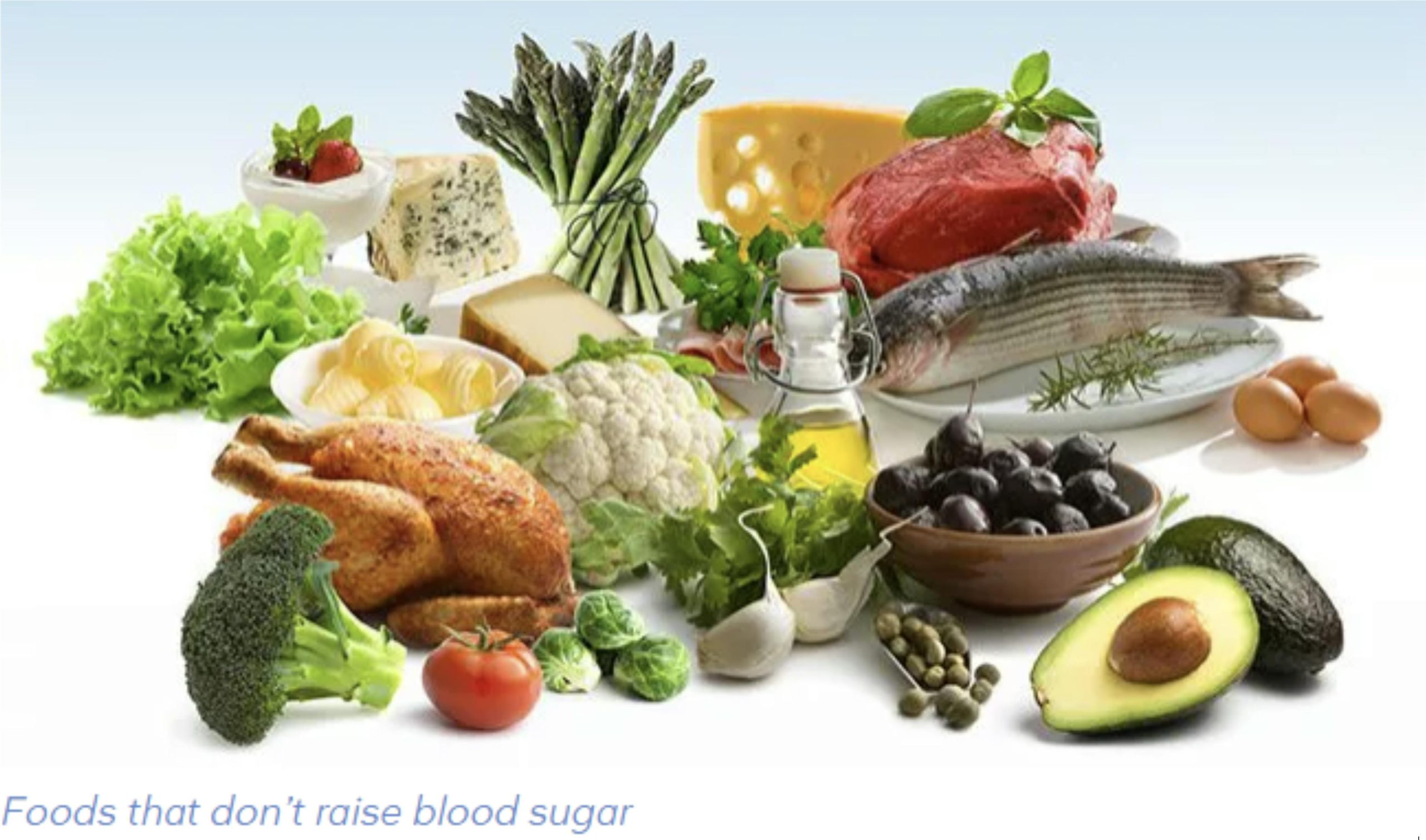

The ketogenic diet’s metabolic shift unlocks incredible benefits for weight loss, energy, and metabolic health—but for many, the first week comes with an unwelcome side effect: keto headaches. A hallmark of the “keto flu,” these headaches strike as your body abandons its glucose dependency and learns to burn fat for fuel, and they’re one of the most common reasons new keto dieters feel discouraged or even quit early. The good news? First-week keto headaches are temporary, predictable, and entirely manageable with evidence-based strategies.
1. Understanding First-Week Keto Headaches: Prevalence and Context
Keto headaches are not a sign of failure—they’re a normal physiological response to the body’s rapid metabolic overhaul, and they affect an estimated 50-70% of new keto dieters in the first 3-7 days. Unlike migraines or tension headaches triggered by stress or sleep loss, these headaches are directly tied to the biochemical changes of ketosis adaptation, and they typically resolve on their own within 1-2 weeks as your brain and body acclimate to ketones as their primary fuel source.
Characterized by a dull, throbbing ache (often localized to the forehead or temples) or a persistent pressure in the head, their intensity varies widely: some dieters experience mild discomfort, while others deal with moderate pain that impacts daily activity. What unites all cases, however, is their root cause: a cascade of changes from sudden carb restriction, including fluid loss, electrolyte depletion, and glucose fluctuation. Importantly, these headaches are exclusive to the adaptation phase—once you’re fully keto-adapted (usually by week 3), they won’t recur, even with strict carb adherence.
It’s also critical to distinguish keto headaches from the broader “keto flu,” a collection of symptoms (fatigue, brain fog, nausea, muscle cramps) that share the same metabolic triggers. Headaches are often the first and most noticeable keto flu symptom, and addressing their root causes will typically ease other keto flu side effects at the same time.
2. Why Keto Headaches Strike in the First Week: The Core Science
Every top keto nutrition and medical resource points to four interrelated biochemical changes as the primary drivers of first-week headaches. These factors don’t act in isolation—they amplify one another, creating a perfect storm for head pain, and all stem from the single choice at the heart of the keto diet: drastic carb restriction.
2.1 Brain Fuel Transition: From Glucose to Ketones
Your brain is hardwired to rely on glucose for energy, and it uses about 20% of the body’s daily glucose intake at rest. When you cut carbs to <50g net daily, glucose levels drop rapidly, and your liver starts producing ketones from fat to replace it. This transition is not instantaneous: for the first 3-7 days, your brain is in a “fuel gap”—it’s not yet efficient at using ketones, and glucose stores are depleted. This temporary energy shortage for neural cells triggers stress signals in the brain, leading directly to headache pain.
2.2 Dehydration from Glycogen Depletion
Carbs are stored in the liver and muscles as glycogen, and every gram of glycogen is bound to 3-4 grams of water. When you restrict carbs, your body burns through its glycogen stores in the first 2-3 days to maintain glucose levels, and this process releases massive amounts of water—up to 5-10 pounds of water weight in the first week. Most new keto dieters fail to increase water intake to compensate for this rapid fluid loss, leading to dehydration. Dehydration thickens the blood, reduces blood flow to the brain, and irritates the meninges (the protective layers of the brain), causing headache pain.
2.3 Electrolyte Imbalance: Sodium, Potassium, and Magnesium Loss
Insulin plays a key role in retaining electrolytes—especially sodium—in the body. When carb intake drops, insulin levels plummet, and your kidneys start excreting excess sodium (and accompanying potassium and magnesium) in the urine. This is a normal physiological response, but it leads to rapid electrolyte depletion in the first week, and these minerals are non-negotiable for normal brain and nerve function:
- Sodium: Regulates fluid balance and blood pressure—low levels cause cerebral vasodilation (expansion of brain blood vessels), a direct trigger for headaches.
- Magnesium: Calms neural activity and relaxes blood vessels—deficiencies are linked to increased headache frequency and severity.
- Potassium: Supports nerve signaling and fluid balance—low levels exacerbate dehydration and neural stress.
2.4 Carb Withdrawal and Neurotransmitter Shifts
Sudden elimination of refined carbs and added sugars triggers a mild neurochemical withdrawal in the brain. Carbs boost serotonin and dopamine—neurotransmitters that regulate mood and pain perception—and their rapid drop leads to altered neural activity, which can amplify headache pain. For those who ate a high-carb diet pre-keto, this withdrawal effect is more pronounced, and it often compounds the pain from dehydration and electrolyte loss.

3. Individual Variation: Who Is More Prone to Severe Keto Headaches?
Mainstream keto resources treat first-week headaches as a “one-size-fits-all” symptom, but the truth is age, gender, and pre-existing conditions drastically impact your risk, intensity, and recovery time. These factors shape how quickly your body adapts to ketosis, how it regulates fluids and electrolytes, and how sensitive your brain is to glucose and fuel changes—all of which determine how bad your headaches get (or if you get them at all).
3.1 Age-Related Differences
- Young adults (18-30): Typically have the fastest adaptation speed and lowest headache risk. Healthy, youthful metabolisms burn through glycogen and switch to ketones quickly, and kidneys efficiently regulate electrolytes. Headaches, if they occur, are mild and resolve in 3-5 days.
- Middle-aged adults (31-50): May experience moderate headaches with a longer duration (5-7 days). Metabolic slowdown, combined with common lifestyle factors (stress, mild dehydration), slows ketosis adaptation. Hormonal changes (for both men and women) also impact electrolyte retention, increasing risk.
- Older adults (50+): Face the highest risk of severe, prolonged headaches (7-10 days). Age-related renal function changes reduce the kidneys’ ability to retain electrolytes, and the brain adapts more slowly to ketone fuel. Pre-existing conditions (e.g., hypertension) and medication use can further amplify pain.
3.2 Gender Influences
Hormonal fluctuations are the biggest driver of gender differences in keto headaches, and they primarily impact women:
- Women: Estrogen and progesterone directly regulate electrolyte balance and fluid retention, so headaches are often more severe during the menstrual cycle, pregnancy, or perimenopause/menopause. Fluctuating hormone levels make it harder for the body to compensate for sodium and magnesium loss, leading to longer recovery times.
- Men: Have a lower baseline risk of keto headaches, as their hormone levels (testosterone) are more stable, and they typically have higher muscle mass (more glycogen stores, meaning a slower, more gradual glycogen depletion). When headaches occur, they’re usually mild and tied to dehydration or overexercising.
3.3 Pre-Existing Conditions
If you have any of these conditions, your risk of severe first-week keto headaches is significantly higher, and you’ll need to adjust your adaptation strategy:
- Migraine history: Your brain is already sensitive to blood flow and neural activity changes—keto’s metabolic shifts can trigger full migraines, not just mild headaches.
- Diabetes (type 1 or 2): Blood glucose fluctuations are more extreme with carb restriction, and diabetic kidney disease may impair electrolyte regulation.
- Hypertension: Low sodium levels from keto can cause blood pressure to drop too quickly, leading to orthostatic headaches (pain when standing up).
- Chronic dehydration: If you’re already prone to not drinking enough water, keto’s rapid fluid loss will worsen dehydration and headache pain.
4. Symptom Timeline and Severity: Granular Data for Keto Beginners
Most keto guides use vague language like “headaches last 1-2 weeks”—but this lack of granular data leaves beginners anxious and unsure if their symptoms are “normal.” From population studies and keto adaptation research, we can map the typical onset, peak, and resolution of first-week keto headaches by day, as well as the factors that make them worse or better. This data helps you set realistic expectations and know when to take action to ease pain.
4.1 Day-by-Day Timeline of First-Week Keto Headaches
- Days 1-2: Onset phase—Mild, dull headache (often in the morning) is the most common symptom. Triggered by initial glucose drop and early glycogen depletion; 60% of dieters experience symptoms here.
- Days 3-4: Peak phase—Headache intensity is highest for those affected (moderate to severe throbbing). Glycogen stores are fully depleted, electrolyte levels hit their lowest point, and the brain is in the thick of the fuel transition; this is when 90% of keto headache sufferers report the worst pain.
- Days 5-7: Resolution phase—Pain fades for most dieters (mild discomfort only). The liver ramps up ketone production, the brain starts using ketones efficiently, and electrolyte levels stabilize with intentional supplementation; 70% of sufferers are headache-free by day 7.
4.2 Severity Scales and Red Flags
Not all keto headaches are “normal”—it’s critical to distinguish mild adaptation pain from severe symptoms that require medical attention. Use this simple severity scale to assess your symptoms:
- Mild: Dull ache that doesn’t impact daily activity; relieved by water/electrolytes.
- Moderate: Throbbing pain that makes focus difficult; requires rest and targeted supplementation to ease.
- Severe: Debilitating pain (migraine-like) with nausea, sensitivity to light/sound, or dizziness; does not improve with at-home remedies.
Red flags to seek medical help immediately: Severe headache lasting more than 7 days, headache with numbness/tingling in the face/limbs, headache after a fall or injury, or headache accompanied by high fever or stiff neck. These are not keto adaptation symptoms—they may signal an underlying medical issue.
4.3 Factors That Worsen (or Ease) Symptom Severity
Several lifestyle and dietary choices directly impact how bad your keto headaches get:
- Worsening factors: Rapid carb restriction (cutting from 200g+ to <50g overnight), intense cardio workouts (increases fluid/electrolyte loss), intermittent fasting alongside keto (amplifies glucose drop), and inadequate sleep (impairs metabolic adaptation).
- Easing factors: Gradual carb reduction (over 3-5 days), pre-keto hydration priming (drinking 3L water daily for 2 days before starting), intentional electrolyte supplementation (starting day 1), and moderate fat intake (boosts ketone production).
5. Evidence-Based Relief and Prevention: Stop Keto Headaches Before They Start
The best way to deal with first-week keto headaches is to prevent them entirely—and if they do strike, use targeted, science-backed remedies to ease pain fast. Every top keto nutrition resource ranks hydration and electrolyte supplementation as the most effective strategies, and when combined with small dietary and lifestyle tweaks, they eliminate headaches for 80% of new keto dieters. All these strategies are easy to implement, require no fancy supplements, and work in tandem to support faster ketosis adaptation.
5.1 Hydration: The Foundation of Keto Headache Prevention
Dehydration is the single most modifiable cause of first-week keto headaches, and fixing it is simple: prioritize fluid intake from day 1 (and even before).
- Optimal intake: 3-4 liters (100-130oz) of water daily—more in hot weather or if you exercise. This replaces the water lost from glycogen depletion and keeps blood flow to the brain consistent.
- Electrolyte-enhanced water: Add a pinch of unrefined salt (sea salt, Himalayan salt) to your water (¼ tsp per 500ml) or sip bone broth (1-2 cups daily) to boost sodium intake while hydrating. Avoid sugary sports drinks—they’re high in carbs and undo ketosis progress.
- Hydration hacks: Keep a water bottle with you at all times, set phone reminders to drink, and eat water-rich low-carb foods (cucumber, celery, zucchini) to add passive fluid intake.
5.2 Electrolyte Supplementation: Target the Big Three
Sodium, magnesium, and potassium depletion are the second biggest cause of keto headaches, and intentional supplementation is non-negotiable. The goal is to replace what your kidneys excrete, and timing is key—supplement throughout the day, not all at once, for steady levels.
- Sodium: 5,000-7,000mg daily (2-3 tsp of unrefined salt). Add to meals, water, or bone broth—this is the most critical electrolyte for keto headache prevention, and most dieters don’t get enough.
- Magnesium: 300-400mg daily (glycinate or citrate form—best for absorption). Take with food to avoid stomach upset; magnesium calms brain nerves and relaxes blood vessels, easing throbbing pain.
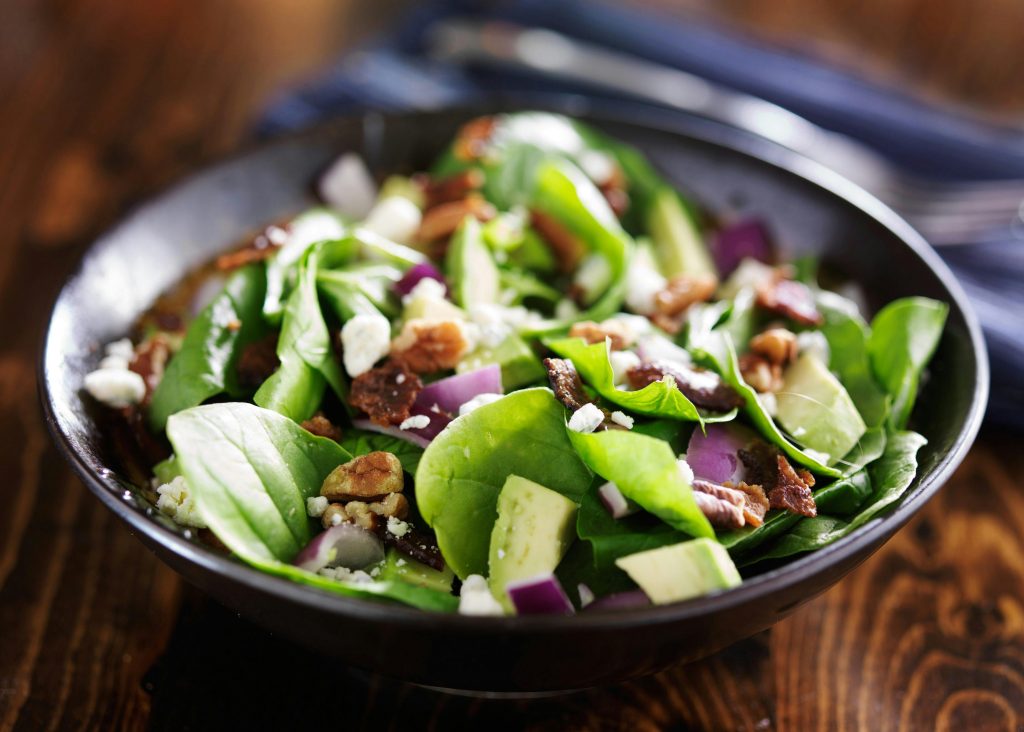
- Potassium: 3,000-4,000mg daily from food (avocado, spinach, salmon, nuts)—avoid high-dose potassium supplements (they can cause heart issues). Food-based potassium is absorbed slowly, supporting steady electrolyte balance.
5.3 Dietary Tweaks: Support Ketosis and Ease the Fuel Transition
Small changes to your keto diet can speed up adaptation and reduce headache risk by stabilizing glucose levels and boosting ketone production:
- Prioritize healthy fats: 70-75% of daily calories from fat (avocado, olive oil, MCT oil, fatty fish, butter). Fats are the building blocks of ketones—eating enough fat means your liver produces more ketones faster, closing the brain’s fuel gap.
- Avoid excessive protein: Keep protein to 1.2-1.6g per kg of body weight daily. Too much protein is converted to glucose (via gluconeogenesis), slowing ketosis and causing glucose fluctuations that worsen headaches.
- Gradual carb reduction: If you’re prone to headaches, cut carbs over 3-5 days (e.g., 150g → 100g → 50g) instead of overnight. This eases the brain’s transition and reduces carb withdrawal effects.
- Eat regular meals: Skip prolonged fasting (especially in the first week) to keep glucose levels stable. Small, frequent meals high in fat and moderate protein prevent blood sugar dips that trigger head pain.
5.4 Lifestyle Modifications: Reduce Stress on the Adapting Body
Your body is working overtime to adapt to ketosis—adding extra stress (via exercise, lack of sleep, or anxiety) will only worsen headaches. These small lifestyle changes support faster adaptation and ease pain:
- Limit intense cardio: Stick to light activity (walking, yoga) in the first week. Intense workouts increase fluid and electrolyte loss, and they burn what little glucose your body has left, amplifying the fuel gap.
- Prioritize sleep: 7-9 hours of quality sleep nightly. Sleep is when your body repairs and adapts—poor sleep impairs ketone production and electrolyte regulation, making headaches worse.
- Manage stress: Practice deep breathing, meditation, or gentle stretching. Stress raises cortisol levels, which increase blood pressure and trigger vasoconstriction (narrowing of brain blood vessels), worsening headache pain.
- Avoid dehydrating substances: Cut back on caffeine (≤1 cup of coffee/tea daily) and alcohol entirely. Both cause dehydration and disrupt electrolyte balance, and alcohol impairs ketone production.
5.5 Safe Carb Reintroduction for Persistent Headaches
For 10-20% of keto dieters, headaches persist beyond day 7—even with perfect hydration, electrolyte supplementation, and lifestyle habits. For these individuals, targeted, minimal carb reintroduction is the solution: it eases pain by providing a small amount of glucose to the brain, without derailing ketosis progress. Mainstream keto guides caution against carb reintroduction but fail to provide this critical, balanced approach for those with persistent pain.
- How much to add: 10-15g of low-glycemic, high-fiber carbs daily (e.g., ½ cup berries, 1 small sweet potato, 1 cup cooked quinoa). This is enough to ease the fuel gap without spiking insulin or kicking you out of ketosis.
- When to add them: Eat the carbs in the morning (when headaches are typically worst) or split them into two small portions throughout the day. Pair them with fat (e.g., berries with heavy cream) to slow glucose absorption and keep ketone levels stable.
- How long to keep them: Continue the 10-15g carbs until headaches are gone (usually 1-3 days). Once pain resolves, gradually cut back to your regular keto carb limit (<50g net) over 2-3 days—your brain will now be more efficient at using ketones, and headaches won’t return.
- What to avoid: Refined carbs (bread, pasta, sugar) or high-glycemic carbs (white rice, bananas). These spike insulin, kick you out of ketosis, and cause a glucose crash that leads to worse headaches later.
6. Debunking Keto Headache Myths: Stop Anxious Thinking
Misconceptions about keto headaches are everywhere, and they’re a major source of anxiety for new dieters. Dozens of keto beginners quit the diet because they believe their headaches mean ketosis is failing, or that they’re “doing keto wrong.” Top keto medical and nutrition experts have debunked these myths repeatedly—here’s the science-backed truth to calm your nerves and keep you on track.
6.1 Myth 1: “My headaches mean I’m not in ketosis.”
Truth: Headaches are a sign that ketosis is starting, not failing. They occur precisely because your body is burning through glycogen and producing ketones—two key markers of entering ketosis. You can even test your ketone levels (via blood, urine, or breath) and see elevated ketones while experiencing a headache. The pain is just the body’s way of adjusting to this new metabolic state.
6.2 Myth 2: “More ketones = worse headaches.”
Truth: There is no correlation between ketone levels and headache severity. Ketone levels rise steadily in the first week (from 0.5mM to 3.0mM for nutritional ketosis), but headaches peak at days 3-4 and then fade—even as ketone levels continue to rise. The pain is tied to the speed of adaptation, not the amount of ketones in your blood. Some dieters with very high ketone levels experience no headaches at all, while others with mild ketones have moderate pain.
6.3 Myth 3: “If I get headaches, keto isn’t for me.”
Truth: Keto headaches are an adaptation symptom, not a sign of an intolerance. Every body adapts to metabolic change differently, and some just take a little longer to get used to ketones. Even if you have severe headaches in the first week, addressing the root causes (dehydration, electrolytes) and using safe carb reintroduction will ease pain, and you’ll be able to stick with keto long-term. Once fully adapted, you’ll likely find you have more energy and fewer headaches than you did on a high-carb diet.
6.4 Myth 4: “I need to take painkillers to get through keto headaches.”
Truth: Painkillers (e.g., ibuprofen, acetaminophen) can provide temporary relief, but they don’t fix the root cause of keto headaches (dehydration/electrolytes). They also have side effects: ibuprofen can irritate the stomach and impair kidney function (worse for electrolyte balance), and acetaminophen can cause liver stress when combined with the metabolic work of ketosis. Stick to natural remedies (hydration, electrolytes, rest) first—they’re more effective and safer for your adapting body.
7. A Personalized First-Week Keto Action Plan: No Headaches, No Stress
The key to avoiding or easing first-week keto headaches is preparation and consistency. This step-by-step action plan pulls together all the science and strategies in this guide, and it’s tailored to different risk levels (low, moderate, high) so you can personalize it to your body. Follow it from 2 days before starting keto through day 7, and you’ll navigate the adaptation phase with minimal discomfort (or none at all).
7.1 Pre-Keto (Days -2 to -1): Prime Your Body
- Hydrate: Drink 3L of water daily, add ¼ tsp salt to each 500ml bottle.
- Electrolytes: Start taking 300mg magnesium daily and eat potassium-rich foods (avocado, spinach).
- Diet: Cut back on refined carbs/sugars (no need to go keto yet) to ease withdrawal.
- Sleep: 7-9 hours nightly to set your body up for adaptation.
7.2 Keto Days 1-7: Daily Checklist for Success
- Hydrate: 3-4L water + 1-2 cups bone broth daily; add salt to water/meals.
- Electrolytes: 5,000-7,000mg sodium, 300-400mg magnesium, 3,000-4,000mg potassium (food-based) daily.
- Eat: 70-75% fat, 20-25% protein, <50g net carbs; regular meals, no prolonged fasting.
- Move: Light activity only (10-15min walking/yoga); no intense cardio.
- Rest: 7-9 hours sleep + 10min midday rest to reduce stress.
- Track: Log headaches, water intake, and ketone levels (if testing) to spot patterns.
7.3 Troubleshooting for Different Risk Levels
- Low risk (young, healthy, no pre-existing conditions): Stick to the basic checklist—you’ll likely have no or mild headaches.
- Moderate risk (middle-aged, mild lifestyle stress): Add gradual carb reduction and pre-keto priming; supplement with MCT oil (1 tsp daily) to boost ketones faster.
- High risk (older, migraine history, hypertension): Start with 10-15g low-glycemic carbs daily (no need to cut entirely), work with a keto dietitian for personalized electrolyte dosing, and avoid fasting entirely in the first week.
7.4 Day 7 Check-In: Evaluate and Adjust
- If headache-free: Keep up the routine—you’re on track to full adaptation by week 3.
- If mild headaches remain: Increase sodium/magnesium by 10% and add 5g low-glycemic carbs daily.
- If severe headaches persist: Use the safe carb reintroduction method (10-15g daily) until pain resolves, then taper back.
8. Conclusion: Embrace Adaptation for Long-Term Keto Success
First-week keto headaches are a temporary hurdle, not a permanent barrier to the incredible benefits of the ketogenic diet. They’re a sign that your body is doing the hard work of rewiring its metabolism to burn fat for fuel—a change that will lead to sustained weight loss, stable energy, better mental clarity, and improved metabolic health for months and years to come.
The core takeaways from every top keto resource are clear: hydrate, supplement electrolytes, eat enough healthy fat, and be kind to your adapting body. These four steps will eliminate or ease nearly all first-week headache pain, and filling the gaps in mainstream advice—personalizing for age/gender/conditions, understanding the symptom timeline, and using safe carb reintroduction—will make the adaptation phase even smoother.
Remember: the first week is the hardest, but it’s also the shortest. Once you’re fully keto-adapted, you’ll look back at these headaches as a small price to pay for the transformative changes keto brings to your body and life. Stay consistent, trust the process, and your body will reward you with a headache-free, high-energy keto lifestyle.
As with any dietary change, consult a healthcare provider or registered dietitian before starting keto—especially if you have pre-existing conditions (diabetes, hypertension, migraine) or take medication. They can help you personalize your plan and ensure ketosis is safe for your unique body.